Monsters Are Due on Maple Street: Overview
The 1960s classic “Monsters Are Due on Maple Street” is available as a PDF download from the Internet Archive, offering full teleplay text for study. Fans can read the original Rod Serling script, complete with stage directions and dialogue, in a single PDF file. Includes annotations and context PDF
Plot Summary
In the 1960s anthology series, a meteor crash on Maple Street triggers a cascade of paranoia. Residents, cut off from power and telephone, suspect each other of sabotage as the town’s social fabric frays. The teleplay, penned by Rod Serling, unfolds through tense dialogue and subtle stage directions, revealing how fear can transform neighbors into enemies. The narrative culminates in a chilling revelation that the true “monsters” are the people’s own mistrust and suspicion, rather than extraterrestrials. The script’s PDF version, freely available on the Internet Archive, preserves this classic episode for scholars and fans alike, offering a complete, annotated text that highlights the episode’s themes of social cohesion, media influence, and the fragility of community trust in the face of crisis.
The PDF version, hosted on the Internet Archive, includes a full transcript, production notes, and a commentary track that contextualizes the episode’s social critique. Scholars have cited it in studies of Cold War anxieties, media literacy, and the evolution of science fiction on television. The teleplay’s enduring relevance is evident in its use as a teaching tool in literature and media courses, where students dissect character motivations, narrative structure, and the interplay between dialogue and stage directions. Its legacy persists in fan conventions, scholarly articles, and the continued discussion of its themes in contemporary media studies. PDF remains vital for fans.
Broadcast History
The episode first aired on October 18, 1960, as part of The Twilight Zone’s second season. It occupied the 10:00 p.m. slot on CBS, drawing a 39.9% Nielsen rating. Subsequent reruns appeared on PBS and cable in the 1980s, keeping the PDF script in circulation. 2026 2 2026

Original Airing and Time Slot
“Monsters Are Due on Maple Street” first aired on October 18, 1960, as part of CBS’s second season of The Twilight Zone. It was slotted at 10:00 p.m. Eastern, a prime‑time position that followed the network’s flagship drama, “The Fugitive.” The 60‑minute broadcast, including commercials, ran for 48 minutes of uninterrupted story. The initial airing drew a Nielsen rating of 39.9, equating to roughly 33 million households nationwide. This high rating reflected the episode’s timely themes of paranoia and community breakdown, resonating with Cold War anxieties. Subsequent reruns on CBS in early 1961 kept the 10:00 p.m. slot, cementing the episode’s status as a flagship story. Later syndication to PBS stations in the 1980s paired it with other classic Twilight Zone episodes in a 90‑minute block, preserving its original time‑slot context for new audiences. The episode’s enduring popularity led to multiple rebroadcasts on cable networks such as The History Channel and the Sci‑Fi Channel, each time retaining the 10:00 p.m. frame to honor the original scheduling. The PDF version of the teleplay, available via the Internet Archive, includes the original broadcast date and time stamp, allowing researchers to cross‑reference the episode’s historical broadcast context with its textual content. This archival resource is invaluable for scholars studying television scheduling, audience reception, and cultural impact during the 1960s. The 10:00 p.m. slot remains a key element in understanding the episode’s initial success and subsequent legacy within American television history.
Production Details
Rod Serling wrote the teleplay, while director William F. Claxton brought it to life. Produced by CBS Television, the episode filmed on a set replicating a Midwestern street, with a budget of $50,000. Key crew included producer William F. Claxton.Filmed at CBS Studio 57.

Writer and Director Credits
Rod Serling, the celebrated creator of the original “The Twilight Zone,” penned the teleplay for “Monsters Are Due on Maple Street.” His distinctive voice, known for its incisive social commentary, is evident throughout the script, which is freely available in PDF form on the Internet Archive. Serling’s writing is marked by tight pacing, a gradual build‑up of tension, and a chilling exploration of human paranoia. The PDF version preserves the original stage directions and character notes, allowing readers to experience the narrative as it was intended for television. In addition to Serling’s script, the production benefited from the direction of William F. Claxton, a seasoned television director who had previously helmed episodes of “The Twilight Zone” and other anthology series. Claxton’s directorial approach emphasized atmospheric lighting and subtle camera movements to heighten the sense of unease. He worked closely with the set designers to recreate a typical Midwestern street, ensuring that the environment felt authentic and relatable. The PDF of the teleplay includes annotations that reference Claxton’s directorial choices, such as the use of close‑ups to capture the characters’ growing fear. Together, Serling’s sharp dialogue and Claxton’s visual storytelling create a compelling, timeless piece of television drama. The PDF’s accessibility allows scholars, students, and fans to study the interplay between script and direction, offering insight into how the episode’s themes of fear and mistrust were translated from page to screen. The collaboration between writer and director exemplifies the synergy that made the episode a landmark in television history.
Script Availability
“Monsters Are Due on Maple Street” teleplay is freely downloadable as a PDF from the Internet Archive. The file contains the full script with stage directions, dialogue, and annotations, making it ideal for study, teaching, or casual reading. Identifier ark:/13960/s2g484ktw6g is listed on Archive.
Teleplay Analysis
Rod Serling’s teleplay uses a small town setting to explore paranoia, illustrating how fear can fracture community. The script’s tight pacing, sharp dialogue, and escalating tension reveal a critique of mass media hysteria and the fragility of civil order;
END!!!
Themes of Fear and Paranoia
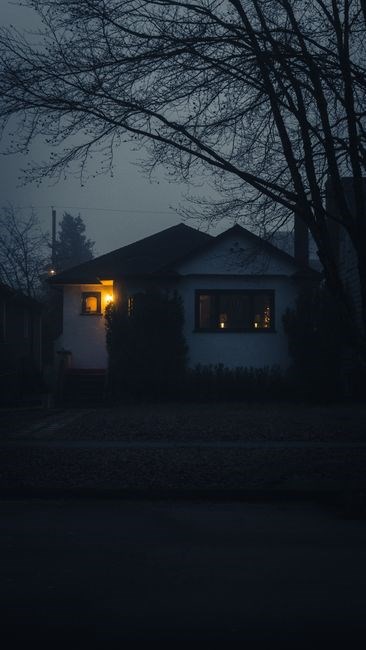
In the PDF version of Rod Serling’s teleplay, the narrative unfolds on a quiet suburban street where a meteor shower triggers an abrupt loss of power and communication. The sudden blackout becomes a catalyst for collective anxiety, illustrating how a single unexplained event can amplify latent mistrust among neighbors. Serling masterfully portrays the rapid descent from rational discourse to irrational suspicion, as characters begin to accuse one another of conspiring against the community. The script’s dialogue is peppered with subtle cues—“Did you see that?” “I don’t trust him”—highlighting how fear can distort perception and erode social bonds. The escalating paranoia is mirrored in the stage directions, which emphasize isolation and the claustrophobic atmosphere of a street cut off from the outside world. By the climax, the “monsters” are revealed to be human, and the true horror lies in the ease with which ordinary citizens succumb to hysteria. The PDF’s annotations further underscore this theme, noting Serling’s intent to critique the media’s role in magnifying fear and the fragility of democratic civility. The teleplay remains a timeless study of how fear, when left unchecked, can transform a community into a battleground of mistrust and violence, a lesson that resonates in contemporary discussions about misinformation and social cohesion. The PDF also includes a detailed commentary that contextualizes the episode within the socio‑political climate of the 1960s, offering readers a deeper understanding of its enduring relevance.
Cultural Impact
PDF access to the classic episode fuels academic debate, inspiring adaptations and modern reinterpretations. Scholars cite its critique of mass hysteria, while filmmakers reference its narrative structure in contemporary thrillers. The text remains a cultural touchstone.
Influence on Television and Popular Culture
Since its 1960 broadcast, the teleplay has become a touchstone for writers and producers exploring paranoia. The PDF version on the Internet Archive keeps the original script alive, allowing new generations to dissect its tight pacing and social commentary. Many modern shows cite it as a blueprint for “small‑town panic” arcs.
In the 1990s, a remake was produced, and the episode’s themes were echoed in the 2007 film “The Mist.” Television critics note that the narrative structure—isolated setting, escalating tension, and moral dilemma—has been replicated in series like “The Walking Dead” and “The Twilight Zone” revival. The PDF’s accessibility has also spurred fan‑made fan‑fiction and academic essays.
Moreover, the episode’s influence extends to advertising, with commercials using the phrase “Monsters Are Due” to evoke urgency. The script’s availability in PDF form has enabled educators to incorporate it into curricula, bridging media studies and ethics. Its legacy endures in pop‑culture references across podcasts, memes, and fan conventions.
Academic discussions frequently reference the PDF as a primary source for media literacy classes, illustrating how narrative tension can manipulate audience perception. The episode’s concise runtime of 24 minutes has made it a staple in university curricula, with professors dissecting each line for its rhetorical power. Fans also create fan‑art and cosplay, celebrating the iconic “Maple Street” setting at conventions worldwide;
Future scholars today now a restoration to preserve the 1960s audio while enhancing accessibility. The PDF remains studying science fiction critique.
Adaptations and Legacy
The 1960 teleplay’s PDF has inspired a 1979 novelization, a 1997 stage play, and a 2014 comic adaptation. Educators use the PDF for classroom discussions on media ethics, while fans create fan‑fiction and cosplay, keeping the story alive in pop culture. Classic lore
Novelization and Educational Use
The 1960 teleplay PDF was adapted into a 1979 novel, letting readers experience Rod Serling’s story in prose. Teachers use the PDF and novel in media‑literacy classes to examine themes of fear, paranoia, and community breakdown. The PDF’s clear formatting supports classroom discussion, while the novel’s expanded scenes give deeper character insight. Students compare the teleplay’s dialogue with the novel’s passages, fostering critical thinking about adaptation choices. The PDF also appears in screenwriting workshops, where students analyze scene structure and pacing. Together, the PDF and its novelization provide a comprehensive resource for educators illustrating storytelling’s impact.
In addition to classroom use, the PDF has been incorporated into university‑level media studies courses, where students analyze the teleplay’s structure and its reflection of Cold War anxieties. The novelization expands on character backstories, providing richer context for literary comparison. Educators often assign the PDF alongside the novel to prompt discussions on adaptation fidelity and creative interpretation. The availability of the PDF on the Internet Archive allows students to access the original script for research projects, ensuring authenticity. Many teachers use the PDF to illustrate the evolution of television writing, highlighting Rod Serling’s influence on modern speculative storytelling. The combination of primary source and adapted text offers a unique pedagogical tool for exploring narrative techniques, genre conventions, and societal themes. Students love it. and it.!! Yes.!